Start with the right material
Good for most compost piles
- Fruit and vegetable scraps
- Coffee grounds and paper filters
- Crushed eggshells
- Dry leaves
- Shredded plain cardboard
- Untreated wood chips
- Garden trimmings
Keep these out
- Meat, fish and bones
- Dairy products
- Grease, oils and sauces
- Pet waste
- Produce stickers
- Painted or treated wood
- Plastic marked “compostable” unless your system accepts it
Greens, browns, water and air
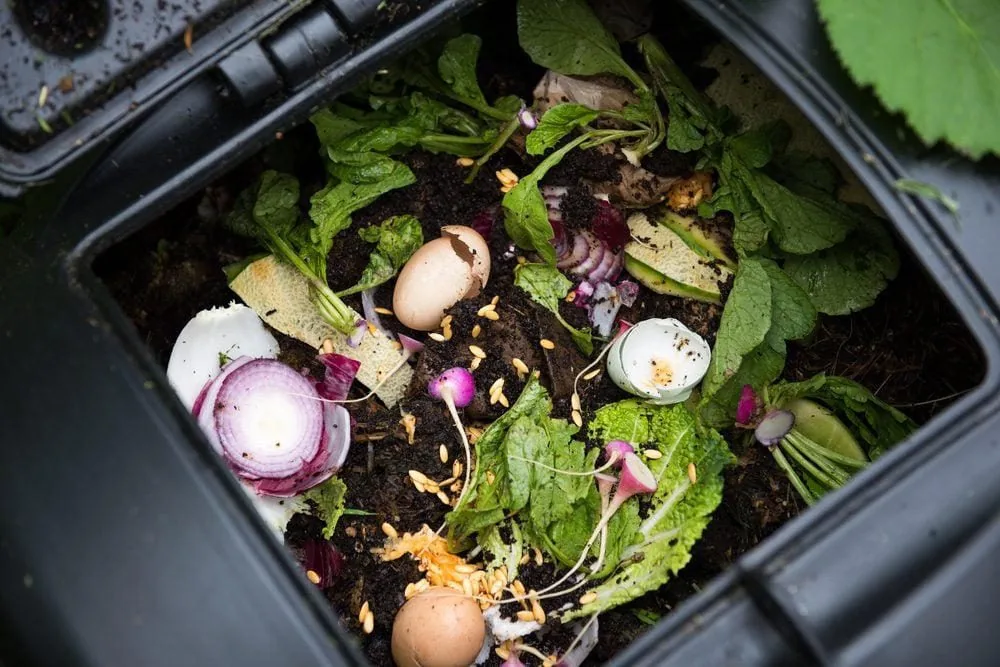
Greens
Greens are fresh and usually wet. Food scraps, coffee grounds and fresh grass are common examples. They bring nitrogen and moisture.
Browns
Browns are dry material such as leaves, cardboard and wood chips. They add carbon and keep the pile from turning into a wet, smelly mess.
A practical starting point: Add roughly two to three buckets of browns for every bucket of food scraps. Adjust from there based on smell and moisture.
Moisture and air
The pile should feel like a wrung-out sponge. If it is dripping, add browns. If it is dusty and inactive, add a little water. Turn or mix it now and then so air can reach the middle.
How to tell when compost is ready
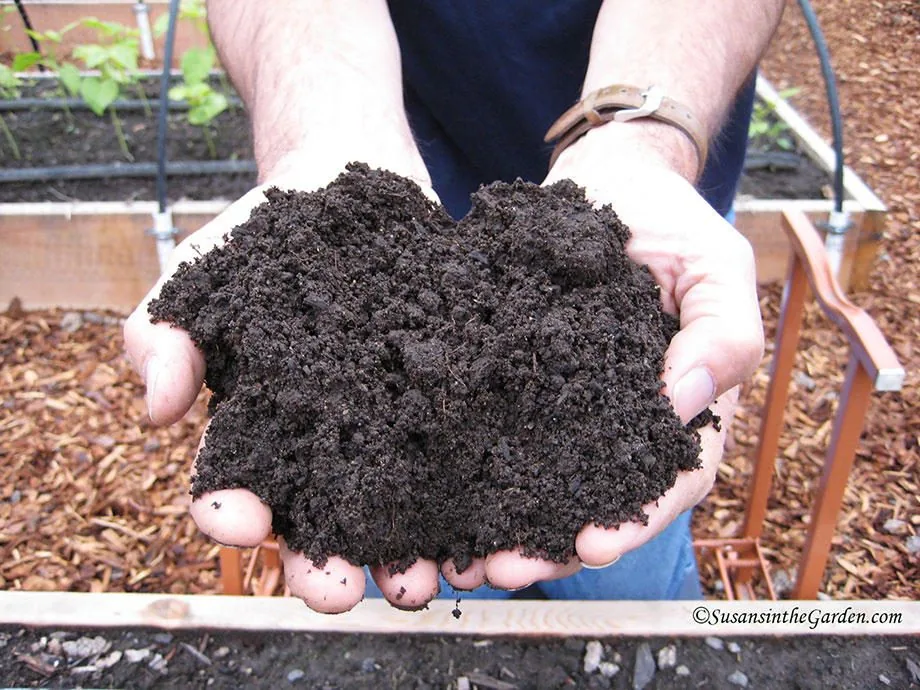
Finished compost is dark, crumbly and smells earthy. You should not be able to recognize most of the original food scraps.
It is probably not ready if it still feels much warmer than the outside air, smells sour or like ammonia, or still contains obvious pieces of food.
Fix the common problems
- Rotten smell: The pile is likely too wet or packed down. Mix it and add dry leaves or cardboard.
- Ammonia smell: There are too many greens. Add more browns.
- Nothing is happening: The pile may be too dry, too small or short on greens.
- Flies or animals: Bury fresh scraps under a thick layer of browns and keep meat, dairy and grease out.
No yard? Worms can work.
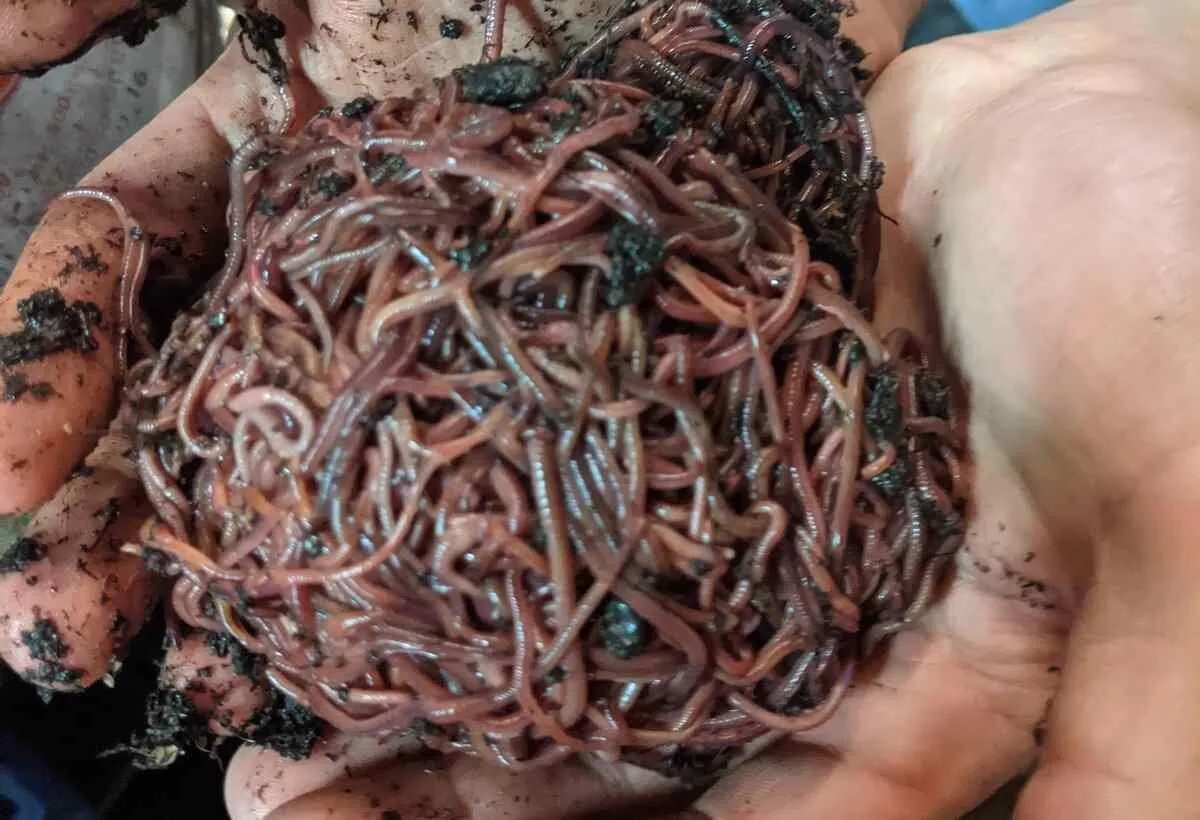
Red wigglers can process kitchen scraps in a tote-sized bin. Give them moist bedding, small amounts of food and protection from direct Texas sun.
Start slowly. Feed again when most of the last feeding is gone. Too much food is the fastest way to create odors and flies.
South Texas note: Outdoor worm bins need deep shade and extra attention during hot weather. A shaded garage or protected area is usually easier to manage.